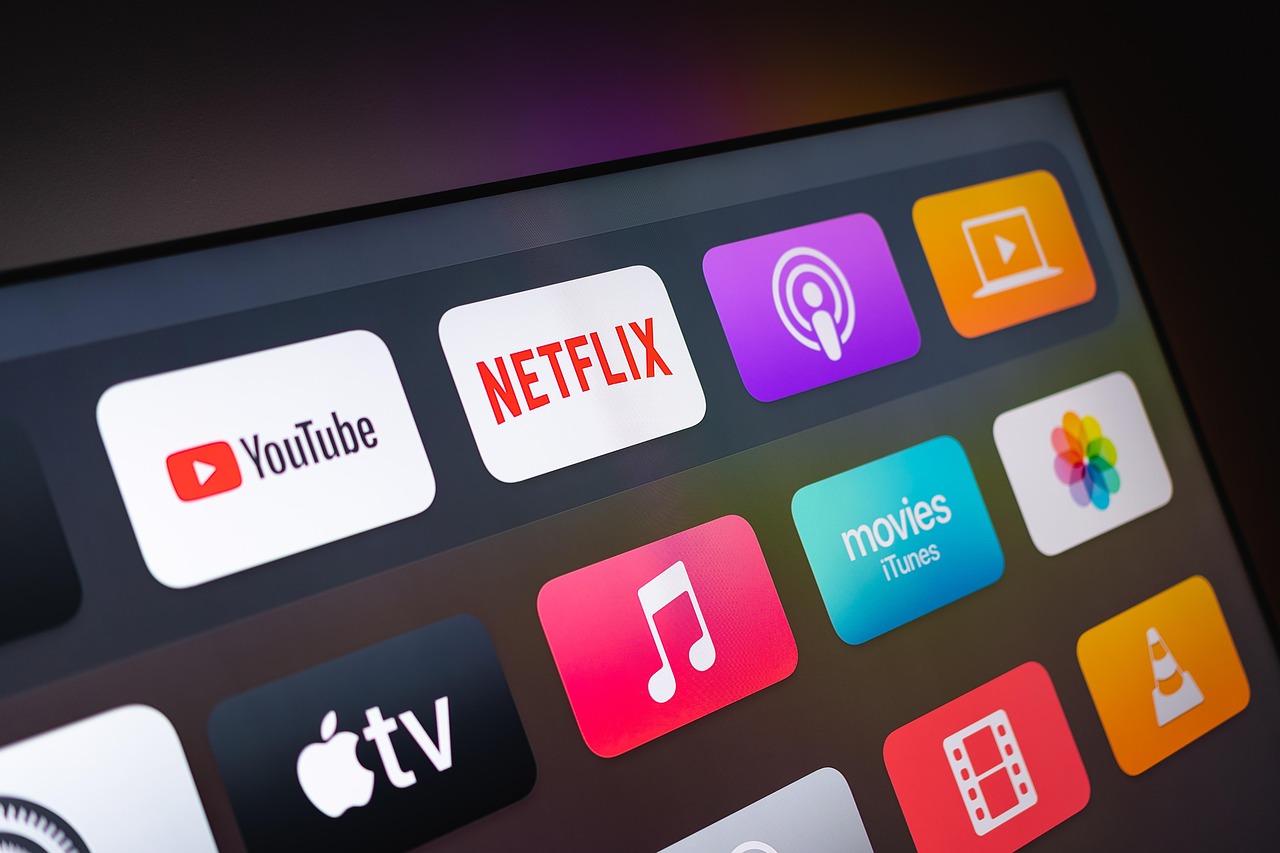
The paradox at the heart of the streaming economy is one of inverse relationship: as the volume of available content has expanded from thousands to millions of titles across hundreds of platforms, the ability of any individual viewer to navigate that abundance and find content that genuinely resonates has declined. Research consistently shows that viewers who cannot find content they want to watch within 10 minutes abandon the session and if this experience repeats frequently, they cancel their subscription. The streaming business model is built on the premise that the platform can reliably connect viewers with content they will value enough to justify monthly subscription fees. When that promise fails, the economics fail with it.
This is not a content problem. The leading streaming platforms produce content of extraordinary quality, across a wider range of genres and formats than any previous media era. It is a discovery problem a failure of the information architecture that connects content with the audiences who would most value it. And it is a problem that artificial intelligence is uniquely equipped to solve, because the discovery challenge is fundamentally an information matching problem operating at a scale and complexity that no human editorial team can manage manually.
The streaming platforms that have built the most sophisticated AI-powered discovery and personalization systems Netflix, Spotify, YouTube hold audience retention advantages that translate directly into subscriber economics: lower churn rates, higher lifetime value per subscriber, and the engagement intensity that drives the word-of-mouth recommendation cycles that reduce customer acquisition costs. For streaming platforms that have not achieved equivalent personalization sophistication, the gap is not a minor experience difference it is a structural subscriber economics disadvantage that compounds with each passing quarter.
Teaching AI to Understand What Makes Content Resonate
Effective content recommendation requires AI systems that understand content at a depth that goes far beyond genre tags and metadata. A viewer who loved ‘Parasite’ is not simply a fan of Korean-language films or of films with social commentary themes they respond to a specific combination of tonal qualities, pacing characteristics, narrative structure, and emotional texture that exists in other content across genres, languages, and formats that simple categorical matching would never surface. Building recommendation systems that can identify these deep content similarity relationships requires AI models trained to understand content at a semantic and emotional level.
Content understanding AI systems analyze multiple dimensions of media content simultaneously: visual characteristics (cinematographic style, color palette, production design, editing rhythm), audio characteristics (musical score tonality, dialogue density, sound design intensity), narrative characteristics (story structure, genre conventions, character archetype patterns, thematic elements), and emotional arc characteristics (the pattern of emotional states the content is designed to induce across its runtime). These multi-dimensional content representations enable recommendation systems to identify the deep similarity relationships between content items that share the experiential qualities a viewer responded to, regardless of superficial categorical differences.
For streaming platforms building these content understanding systems, the capability compounds with scale: larger content libraries provide more training data for the content understanding models, richer similarity relationship maps for the recommendation engine to navigate, and more diverse content options to serve the full spectrum of viewer preferences. This creates a scale advantage that makes content understanding AI increasingly difficult for smaller platforms to replicate a genuine competitive moat for the platforms that build it earliest and most completely.
Building a Dynamic Model of Every Viewer’s Preferences
The counterpart to deep content understanding is deep viewer understanding: a continuously updated model of each individual viewer’s preferences, current mood, viewing context, and content discovery patterns. The most sophisticated streaming personalization systems construct viewer models from dozens of behavioral signals: viewing completion rates across content types, abandonment patterns and the specific moments at which viewers disengage, repeat viewing behavior, time-of-day viewing patterns, device usage patterns, search query history, rating and review engagement, household sharing patterns, and the response to previous recommendation surfaces.
These signals are combined through machine learning models that learn the relationship between viewer behavior patterns and the content characteristics that predict future engagement. The result is a viewer representation that captures not just stated preferences (the genres and formats a viewer would describe themselves as preferring) but revealed preferences the actual content attributes that predict engagement in the specific viewing contexts the viewer creates. The distinction matters: viewers often engage most with content that they would not have predicted they would enjoy, and the most effective personalization systems are those that are sophisticated enough to surface these non-obvious matches.
Context-aware viewer modeling adds a further dimension of sophistication: recognizing that the same viewer has different content preferences in different contexts. The late-evening solo viewer seeking emotionally resonant drama has different content needs than the same person watching with children on a Saturday afternoon, or wanting background content during a weekday work-from-home session. Personalization systems that model these contextual modes and adapt their recommendation logic accordingly consistently outperform context-agnostic approaches by 15 to 25 percent on engagement metrics.
The streaming platforms that will define the entertainment landscape of the next decade will be those that build the deepest, most dynamic understanding of their audiences — not as demographic aggregates, but as individuals whose relationship with content is personal, contextual, and continuously evolving. AI is the only technology that makes this possible at streaming scale.